
Have you recently arranged a soil delivery and suddenly realised you’re not entirely sure what to do with it? You’re definitely not alone. Many Melbourne homeowners order fresh soil with big gardening plans in mind, only to feel overwhelmed once that large pile arrives in the driveway.
The good news is that quality soil opens the door to countless landscaping and gardening possibilities. Whether you’re creating a thriving veggie patch, repairing patchy lawn areas, building raised garden beds, or improving drainage around your property, the right soil can completely transform your outdoor space.
This practical guide explains how to use delivered soil effectively, avoid common mistakes, and get the best long-term results for Melbourne gardens.
Why Quality Soil Matters
Healthy soil is the foundation of every successful garden. It influences plant growth, drainage, moisture retention, and root development. Even the healthiest plants struggle in poor soil, which is why choosing quality soil is one of the smartest investments you can make for your outdoor space.
Melbourne’s climate can be unpredictable, with dry summers and wet winters. Good soil helps regulate moisture levels while improving overall plant health throughout the year.
First Things to Do After Your Soil Delivery Arrives
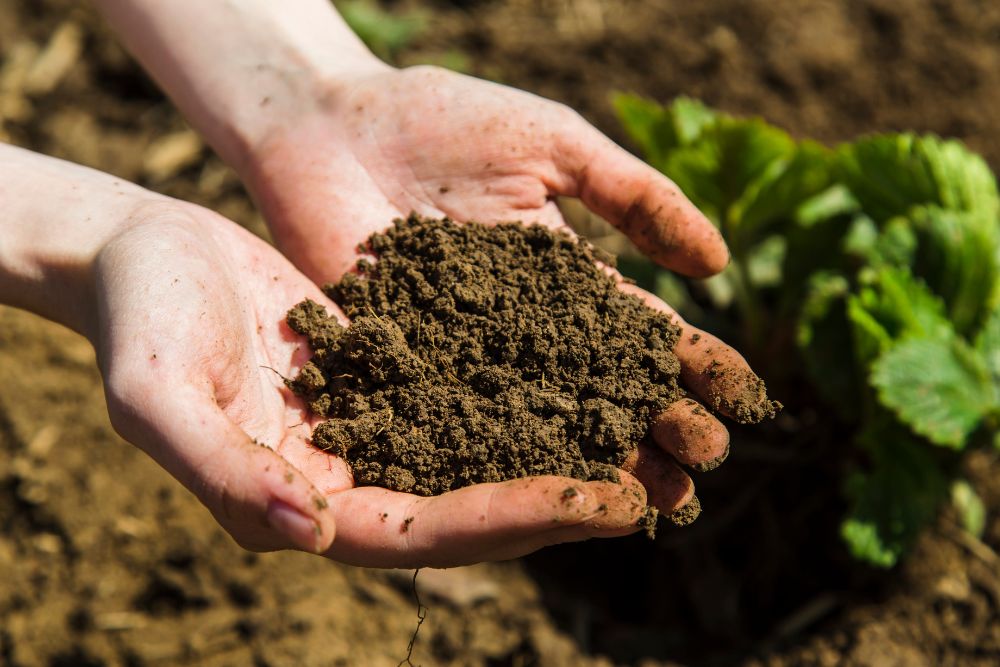
Before spreading the soil around your garden, take a few minutes to inspect it properly. Healthy soil should have a rich brown colour, a fresh earthy smell, and a loose, crumbly texture. If you notice excessive rocks, rubbish, or heavy clay clumps, contact the supplier immediately.
If you’re not using the soil straight away, cover the pile with a tarp. This prevents weed seeds from blowing in and protects the soil from heavy rain or excessive drying. Ideally, try to use your delivered soil within a few weeks for the best results.
Having the right tools nearby also makes the process much easier. A wheelbarrow, shovel, rake, and gardening gloves are usually enough for most home garden projects.
Creating New Garden Beds
One of the best uses for delivered soil is building new garden beds. Start by marking out the area and removing any grass or weeds. Once cleared, spread the fresh soil to a depth of around 30 centimetres for most plants.
Blending some of the new soil into the existing ground helps roots establish more naturally and improves drainage. Water the area thoroughly after spreading the soil to help it settle before planting.
Fresh garden beds are ideal for flowers, shrubs, native plants, or decorative landscaping features.
Revitalising Existing Garden Beds
Older garden beds often lose nutrients over time, especially after repeated planting seasons. Adding fresh soil instantly improves soil structure and gives plants access to new nutrients.
Remove weeds and dead material first, then spread a layer of fresh soil over the surface. Mixing it gently into the existing bed prevents layering issues and encourages healthier root growth. Adding compost at the same time can further improve fertility and moisture retention.
Many struggling plants respond quickly once the soil quality improves.
How Much Soil Do You Need?
Calculating soil volume is simpler than most people think. Use this formula:
Length×Width×Depth=Cubic Metres\text{Length} \times \text{Width} \times \text{Depth} = \text{Cubic Metres}
For example, a garden bed measuring 2 metres long, 1 metre wide, and 30 centimetres deep would require:
2×1×0.3=0.6 cubic metres2 \times 1 \times 0.3 = 0.6\text{ cubic metres}
It’s always wise to order slightly more than you think you’ll need because fresh soil naturally settles over time.
Using Delivered Soil for Lawn Improvement
Delivered soil can dramatically improve tired or uneven lawns. One of the most common methods is top dressing, where a thin layer of soil is spread over existing grass to improve drainage and encourage healthier growth.
The key is applying only a light layer so the grass blades remain visible. Watering afterward helps the soil settle properly into the lawn surface.
If your lawn has bumps or low spots, fresh soil can also be used for levelling. Shallow depressions can usually be filled gradually over time without damaging the existing grass.
For Melbourne lawns, sandy loam soil tends to perform best because it drains well while still holding enough moisture for healthy growth.
Preparing Soil for Vegetable Gardens
Vegetables need nutrient-rich soil to produce strong harvests. Mixing delivered soil with compost or aged manure creates an ideal growing environment packed with organic matter and beneficial microbes.
Raised vegetable beds are especially popular in Melbourne because they improve drainage and allow better control over soil quality. Filling raised beds with premium garden soil gives vegetables a strong start and helps extend the growing season.
While general garden soil can support vegetables, premium vegetable blends usually deliver better results because they contain additional nutrients designed specifically for edible plants.
Landscaping and Drainage Projects
Delivered soil is also useful for landscaping around the property. Low areas that collect water can be filled and reshaped to improve drainage and prevent soggy patches.
Many homeowners also use soil to create garden mounds or berms that add visual depth to flat outdoor spaces. These features can improve privacy, reduce wind exposure, and create more interesting garden layouts.
Behind retaining walls, free-draining fill soil helps reduce water pressure and improves long-term stability.
Using Soil in Pots and Containers
Standard garden soil is usually too dense for containers on its own. Mixing it with quality potting mix improves airflow and drainage while still providing nutrients.
Container gardens are ideal for balconies, courtyards, and smaller Melbourne properties where space is limited. Proper drainage is essential, especially during wetter months.
Seasonal Tips for Melbourne Gardeners
Autumn and winter are excellent times for soil improvement projects in Melbourne. Cooler weather makes physical work easier, while seasonal rain helps fresh soil settle naturally.
Spring is perfect for refreshing garden beds, preparing vegetable patches, and top dressing lawns before the growing season begins. Avoid working with overly wet soil, as this can lead to compaction problems.
Common Mistakes to Avoid
One of the biggest mistakes homeowners make is compacting fresh soil too heavily. While some settling is normal, overly compacted soil restricts airflow and root growth.
Another common issue is using poor-quality soil that contains weeds, debris, or insufficient nutrients. Choosing a reputable Melbourne soil supplier makes a significant difference to long-term garden performance.
It’s also important not to pile soil directly against plant stems or tree trunks, as this can lead to rot and disease problems over time.
Final Thoughts
A fresh soil delivery gives you endless opportunities to improve your outdoor space. Whether you’re renovating a lawn, building raised garden beds, improving drainage, or starting a vegetable patch, quality soil provides the foundation for long-term success.
With the right preparation and a clear plan, even a simple pile of soil can completely transform the look and health of your garden. Melbourne’s climate offers fantastic gardening potential year-round, and using quality soil correctly helps you make the most of every season.
So grab your gardening gloves and get started — your dream garden is already taking shape.
