
Modern buildings are designed to offer comfort, safety, energy efficiency, and an attractive appearance. From residential homes and commercial offices to retail stores and large industrial properties, glass windows play an important role in contemporary architecture. They allow natural light to enter, create an open atmosphere, and enhance the overall appearance of a building. However, untreated glass can also create challenges, including excessive heat, harmful ultraviolet (UV) radiation, glare, and potential safety concerns.
This is where window protection film becomes a practical solution. It provides an additional protective layer over existing glass, helping property owners improve comfort, protect interiors, and enhance glass safety without replacing their existing windows.
Whether you are planning a new commercial development or upgrading an existing property, understanding the benefits of this solution can help you make a more informed investment.
1. Improved Safety and Glass Protection
One of the most important reasons to consider protective window films is improved glass safety. Standard glass can break when exposed to accidental impacts, pressure, or other external forces. When it shatters, sharp fragments may scatter across the surrounding area, potentially causing injuries.
Safety-focused films help hold broken glass fragments together when the glass breaks. Although they do not make ordinary glass completely unbreakable, they can reduce the risk associated with flying glass fragments.
This feature is particularly valuable in locations where people regularly move around, such as:
- Office buildings and corporate workplaces
- Shopping centres and retail stores
- Schools and educational institutions
- Residential apartments and houses
- Hospitals and healthcare facilities
For building owners, adding an extra protective layer to existing windows can be a cost-effective way to improve safety without undertaking extensive renovation work.
2. Better Protection Against Harmful UV Rays
Sunlight can make indoor spaces feel bright and welcoming, but prolonged exposure to ultraviolet radiation can damage furniture, flooring, curtains, artwork, and other interior materials.
Over time, carpets may fade, wooden furniture can lose its original appearance, and decorative surfaces may become discoloured. These changes can lead to additional maintenance and replacement expenses.
High-quality window films can block a significant percentage of harmful UV rays, depending on the product specifications. This helps reduce the amount of UV radiation entering indoor spaces while allowing natural daylight to pass through.
For homes, this means better protection for valuable furnishings. For commercial properties, it can help maintain the appearance of office interiors, product displays, and customer-facing spaces.
If protecting indoor environments from sunlight damage is a priority, exploring window protection film options can be a useful starting point.
3. Increased Indoor Comfort and Reduced Heat
Buildings with large glass windows often experience excessive solar heat, particularly during warmer months. Sunlight entering through untreated windows can increase indoor temperatures, making rooms uncomfortable for occupants.
As a result, air conditioning systems may need to operate for longer periods to maintain a comfortable environment. This can contribute to higher electricity consumption and increased cooling costs.
Certain solar-control window films are designed to reduce solar heat gain by reflecting or absorbing a portion of incoming solar energy. Their effectiveness depends on factors such as film technology, glass type, installation quality, and environmental conditions.
Installing suitable films can help:
- Reduce excessive solar heat entering indoor spaces.
- Improve temperature comfort near windows.
- Reduce uncomfortable hot spots in rooms.
- Support more efficient air conditioning operation.
- Create a more pleasant working and living environment.
For offices with extensive glass facades, these improvements can make a noticeable difference to the overall indoor experience.
4. Reduced Glare for Homes and Workplaces
Glare is another common problem in modern buildings, especially those with large windows or open-plan layouts. Direct sunlight can reflect off computer monitors, television screens, glass surfaces, and polished furniture.
In workplaces, excessive glare can make it difficult for employees to concentrate on their screens. At home, it may affect television viewing, reading, or other everyday activities.
Glare-reduction films help control the intensity of incoming sunlight, creating a more comfortable indoor environment. Depending on the selected product, they can reduce harsh brightness while maintaining useful natural light.
This is particularly beneficial for:
- Corporate offices with computer-based workstations
- Home offices and study rooms
- Conference and meeting rooms
- Retail environments with glass storefronts
- Buildings with large south- or west-facing windows
Choosing the right film allows property owners to balance daylight, visibility, and indoor comfort.
5. Enhanced Privacy Without Major Renovations
Privacy is an important consideration for residential and commercial properties. Ground-floor windows, meeting rooms, healthcare facilities, and street-facing offices may require additional privacy without completely blocking natural light.
Privacy window films are available in different finishes, including frosted, decorative, reflective, and tinted options. Each type serves a different purpose.
Frosted films are useful for bathrooms, glass partitions, and meeting rooms where visual privacy is needed. Reflective films can provide daytime privacy under suitable lighting conditions, although their effectiveness may change at night when indoor lighting is brighter than outdoor lighting.
Decorative films can also improve the appearance of glass partitions while maintaining a modern architectural style.
For businesses looking to upgrade their glass surfaces, window protection film can offer a practical alternative to installing new privacy screens or replacing existing glass panels.
6. Potential Energy Savings and Long-Term Value
Energy efficiency has become an important consideration in modern construction. Property owners are increasingly looking for ways to manage electricity consumption while maintaining comfortable indoor conditions.
Solar-control films can help reduce unwanted solar heat entering a building. In suitable applications, this may reduce cooling requirements and support lower energy consumption.
However, actual savings depend on several factors, including:
- Building orientation and window size
- Existing glass specifications
- Local climate conditions
- Air conditioning efficiency
- Film performance and installation quality
Although window films require an initial investment, their long-term benefits may make them worthwhile. Reduced interior fading, improved comfort, and potentially lower cooling costs can contribute to overall property value.
It is important to select products based on verified performance specifications rather than assuming every film provides the same level of protection.
7. Cost-Effective Alternative to Window Replacement
Replacing existing windows can be an expensive and time-consuming project. It may involve removing old glass, purchasing new materials, hiring contractors, and making adjustments to the surrounding frames.
For buildings with structurally sound windows, installing protective film may offer a more affordable improvement.
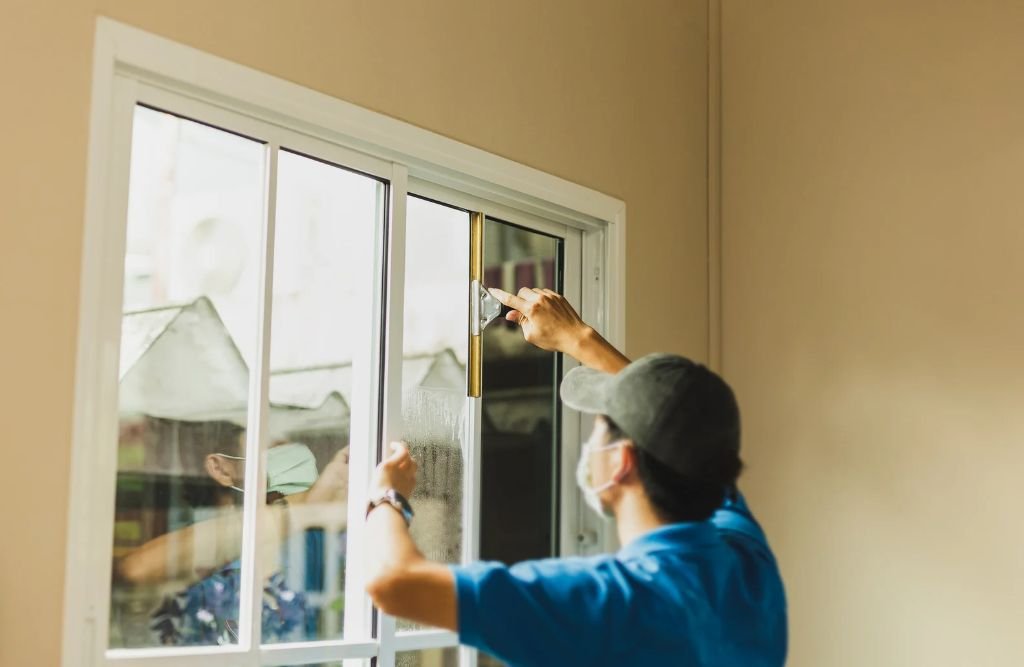
The installation process generally involves cleaning the glass, preparing the film, applying it to the appropriate surface, and carefully removing air bubbles to achieve a smooth finish.
Professional installation is recommended because incorrect application can lead to bubbling, peeling, uneven appearance, or reduced performance.
Before selecting a product, property owners should confirm whether it is compatible with their existing glass. Certain films can increase thermal stress on some glass types, potentially increasing the risk of breakage if the wrong product is installed.
8. A Suitable Solution for Different Types of Buildings
One of the biggest advantages of modern window films is their versatility. Different products are available for different architectural requirements, making them suitable for a wide range of properties.
Residential buildings: Homeowners can improve indoor comfort, reduce glare, protect furniture, and increase privacy.
Commercial offices: Businesses can create more comfortable workspaces while improving privacy in meeting rooms and glass partitions.
Retail stores: UV-control and solar-control films can help protect merchandise and create a more comfortable shopping environment.
Educational institutions: Suitable safety films can help reduce the hazards associated with broken glass in selected applications.
Healthcare facilities: Privacy films can provide greater confidentiality in treatment rooms and other sensitive areas.
Selecting the correct film requires an understanding of the building’s purpose, glass specifications, and the performance expected from the installation.
9. Choosing the Right Window Protection Film
Not every window film offers the same features. Some are designed primarily for UV protection, while others focus on solar heat reduction, glare control, privacy, or glass safety.
Before making a decision, consider the following factors:
Identify your primary requirement: Determine whether you need better safety, privacy, UV protection, heat reduction, or a combination of these features.
Check product specifications: Review UV rejection, visible light transmission, solar energy rejection, and other relevant performance ratings.
Consider existing glass: Different types of glass may require specific film products to avoid compatibility problems.
Choose professional installation: Experienced installers can assess the glass and recommend suitable products for your building.
Review warranty coverage: Check the manufacturer’s warranty, expected lifespan, maintenance requirements, and installation conditions.
Taking the time to compare products can help you avoid unnecessary expenses and achieve better long-term results.
Conclusion
Modern buildings need solutions that support safety, comfort, energy efficiency, and attractive design. Window films provide a convenient way to improve the performance of existing glass without the expense and disruption of complete window replacement.
From reducing harmful UV exposure and controlling indoor heat to improving privacy and helping hold broken glass fragments together, the right product can offer several practical benefits.
For homeowners, business owners, architects, and property managers, investing in window protection film can be a sensible step towards creating more comfortable and functional spaces. By understanding your requirements, comparing product specifications, and choosing professional installation, you can make an improvement that delivers value well beyond its initial cost.
Ultimately, the best solution is one that matches your building’s glass type, environmental conditions, and specific protection needs.
