
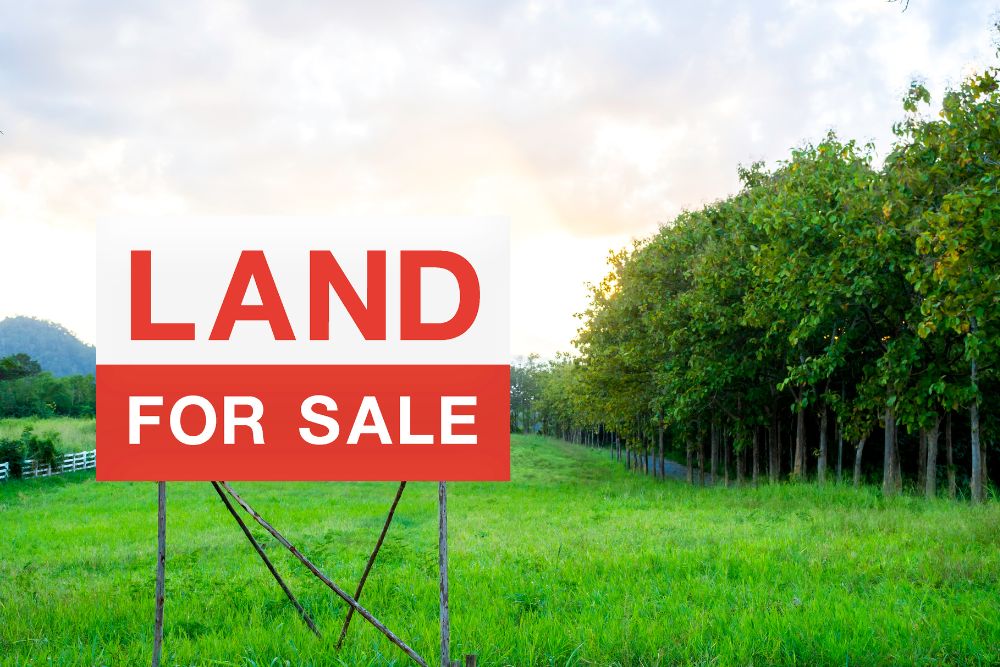
Ever dreamed of waking up to wide-open paddocks, breathing fresh country air, and leaving the hustle of city life behind? Perhaps you’re wondering whether buying rural property is the right move for you and your family? Or maybe you’re already sold on the idea but feel overwhelmed by where to even begin?
You’re not alone. Purchasing rural property in Australia is genuinely exciting, but it’s also a completely different beast compared to buying a house in the suburbs. The rules change, the considerations multiply, and the due diligence required goes well beyond checking if the kitchen needs updating. From water rights to zoning laws, there’s a lot more ground to cover—literally.
In this guide, we’ll walk you through everything you need to know about buying rural property. We’ll explore what makes these purchases unique, how to get your finances sorted, the essential checks you absolutely cannot skip, and the legal process that brings it all together. By the end, you’ll have a clear roadmap to confidently navigate your rural property purchase. Let’s get stuck into it.
Understanding What Makes Rural Property Unique
Key Differences Between Rural and Urban Property Purchases
Rural property purchases differ significantly from urban ones. For starters, you’re often dealing with much larger land parcels, which means boundary surveys become critical. Unlike a suburban block with clearly defined fences, rural boundaries can be vague or disputed.
Infrastructure is another major consideration. In the city, you take things like mains water, sewerage, and electricity for granted. Out in the country? You might need to rely on tank water, septic systems, and even off-grid power solutions. These aren’t dealbreakers, but they require careful planning and budgeting.
Plus, rural properties often come with existing land use agreements, grazing rights, or mining leases that can affect what you’re actually buying. It’s a whole different ball game.
Types of Rural Properties in Australia
Australia offers a diverse range of rural properties. You might be eyeing a hobby farm for weekend escapes, a productive agricultural holding, or vacant rural land for future development. Each type comes with its own set of considerations.
Lifestyle properties under 100 acres are popular for tree-changers wanting space without full-scale farming. Larger agricultural properties involve serious operational considerations, including water allocations and soil quality. Understanding what category your dream property falls into will shape your entire approach.
Getting Your Finances in Order
How Much Deposit Do You Need for a Rural Property?
Generally, lenders expect a larger deposit for rural properties—typically 20% to 30% of the purchase price. This higher requirement reflects the perceived risk and the reality that rural properties can be harder to sell if things go south.
Some lenders may accept lower deposits for rural residential properties close to regional centres. However, remote properties or those classified as primary production may require even more. It pays to shop around and speak with brokers who specialise in rural lending.
Understanding Rural Property Loans and Lender Requirements
Not all lenders are keen on rural properties. Many mainstream banks have strict criteria around property size, location, and land use. You’ll often find better options with regional banks, credit unions, or specialist rural lenders.
Lenders will scrutinise the property’s income potential if it’s agricultural land. They’ll also assess access to services, proximity to towns, and overall marketability. Getting pre-approval before you start property hunting saves heartache down the track.
Hidden Costs You Need to Budget For
Beyond the purchase price, rural properties come with additional expenses. Fencing repairs, water infrastructure upgrades, and access road maintenance can add up quickly. Don’t forget stamp duty, which on larger properties can be substantial.
You’ll also need to factor in pest and building inspections, soil testing, legal fees, and potentially environmental assessments. Creating a realistic budget that accounts for these extras prevents nasty surprises after settlement.
Essential Due Diligence for Rural Buyers
What Should I Check Before Buying Rural Land?
Due diligence for rural property goes deeper than suburban purchases. Start by verifying the exact boundaries through a current survey. Old fence lines don’t always match legal boundaries, and disputes can be costly.
Check the property’s title for any caveats, easements, or encumbrances. Investigate the land’s history—has it been used for anything that might cause contamination? Previous agricultural chemical use or old mining activity can create hidden problems.
Water Rights and Access: What You Need to Know
Water is gold in rural Australia. You need to understand exactly what water rights come with the property. Are there bore licences? Dam entitlements? Access to river water?
Water allocations can be separate from land titles, meaning they might not automatically transfer to you. Verify everything in writing and consider consulting a water rights specialist in regions where allocations are particularly valuable or contested.
Understanding Zoning Laws and Land Use Restrictions
Rural zoning determines what you can actually do with your property. Some rural land allows only agricultural use, while other zones permit rural residential development or even commercial ventures.
Check with the local council about current zoning and any planned changes. You don’t want to buy land dreaming of building your perfect homestead only to discover residential construction isn’t permitted.
Checking for Easements, Rights of Way, and Boundary Issues
Easements grant others rights over your land—perhaps for accessing neighbouring properties or running utility lines. Rights of way can mean neighbours or even the public have legal access across your property.
Review the title thoroughly and physically inspect the property for any informal tracks or access points. Previous informal arrangements can become formal disputes surprisingly quickly.
The Importance of Professional Inspections
Do I Need a Building Inspection for Rural Property?
Absolutely. Building inspections are just as important—perhaps more so—for rural properties. Older farm buildings may have structural issues, asbestos, or outdated electrical systems.
Inspectors familiar with rural properties understand the unique challenges. They’ll check sheds, outbuildings, water tanks, and infrastructure that urban inspectors might overlook.
Pest Inspections and Environmental Assessments
Termites don’t respect postcodes. Pest inspections remain essential for any structure on rural land. Additionally, consider environmental assessments if the property has bushland, waterways, or potential contamination concerns.
Understanding any environmental restrictions on the land helps you plan future use and avoid unexpected limitations.
Soil Testing and Land Quality Considerations
If you’re planning any form of agriculture—even a substantial vegetable garden—soil quality matters enormously. Soil testing reveals pH levels, nutrient content, and potential contamination.
Poor soil can be improved but requires investment. Knowing what you’re working with upfront allows realistic planning and budgeting.
Navigating the Legal Process
Why You Need a Conveyancer or Solicitor with Rural Experience
Standard conveyancers may lack experience with rural property complexities. Seek out professionals who understand water rights, agricultural leases, and rural-specific contract conditions.
An experienced rural conveyancer will know which questions to ask and what searches to conduct. Their expertise can save you from expensive mistakes.
Understanding the Contract of Sale for Rural Properties
Rural contracts often include additional conditions around water allocations, included chattels (machinery, livestock), and existing lease arrangements. Read everything carefully and question anything unclear.
Ensure settlement periods allow adequate time for all necessary inspections and searches. Rushing this process rarely ends well.
What Happens on Settlement Day?
Settlement day works similarly to urban purchases but may involve additional steps. Water licence transfers, equipment handovers, and property access arrangements might need coordination.
Your conveyancer will manage the process, but stay in close contact to ensure everything proceeds smoothly.
Common Mistakes to Avoid When Buying Rural Property
Many buyers fall into preventable traps. Skipping proper boundary surveys, assuming water rights transfer automatically, or underestimating renovation costs are common errors.
Another frequent mistake is not spending enough time on the property before purchasing. Visit multiple times, in different weather conditions if possible. What looks perfect in autumn might flood in winter.
Is Buying Rural Property a Good Investment?
Rural property can be an excellent investment, but it’s different from suburban real estate. Capital growth tends to be slower, though strong in certain regions. Income potential through agriculture or leasing adds another dimension.
Consider your goals carefully. Lifestyle buyers prioritise different factors than investors. Understanding your motivations helps you make smarter decisions.
Final Checklist: Steps to Successfully Purchase Your Rural Property
So, there you have it—your complete roadmap to confidently navigating the rural property buying journey. From understanding what makes rural properties unique to organising your finances, carrying out detailed due diligence, and partnering with experienced professionals, every step plays a crucial role.
Remember, purchasing rural property isn’t something to rush. Take your time with inspections, ask the right questions, and never assume that everything is included in the sale. That extra effort upfront can protect your investment and help ensure your dream rural lifestyle doesn’t turn into an unexpected challenge.
If you’re currently exploring options like Affordable Country Land For Sale Buxton, it’s even more important to evaluate location benefits, land usability, and long-term value before deciding.
Whether you’re seeking a peaceful lifestyle change or a smart long-term investment, rural property ownership can be incredibly rewarding. With the right preparation and expert guidance, you’ll be well on your way to settling into your ideal country home. Good luck with your property search—the country lifestyle is waiting for you!