
Have you ever walked into an empty room and felt completely overwhelmed? Maybe you’ve just moved into a new place, or perhaps you’re finally ready to tackle that spare room that’s been collecting dust. Where do you even start? How much will it cost? And more importantly, how can you create a space that actually feels like home without emptying your bank account?
You’re definitely not alone in feeling this way. Empty rooms can feel intimidating, almost like a blank canvas that’s judging you for not knowing what to do with it. The good news? Furnishing a home on a budget is absolutely achievable, and you don’t need to be an interior designer to pull it off.
In this guide, we’ll walk you through everything from understanding your space to finding quality furniture without the hefty price tag. You’ll discover practical tips for every room in your home, learn where to hunt down the best deals, and pick up some clever strategies that Aussie homeowners swear by. Whether you’re setting up your first apartment or giving your family home a refresh, these affordable furniture ideas will help you transform those empty rooms into spaces you’ll actually want to spend time in.
Understanding Your Space Before You Shop
How Do I Furnish a Room on a Tight Budget?
Before you spend a single dollar, take a step back and really look at your space. The biggest mistake people make is rushing out to buy furniture without a plan. Start by assessing what you already have. Can any existing pieces be repurposed or moved to different rooms?
Next, set a realistic budget and stick to it. Write down a firm number and resist the temptation to stretch it. It’s easy to think “just another $50 won’t hurt,” but those extras add up quickly. Consider breaking your budget into categories—seating, storage, décor—so you know exactly where your money’s going.
Measuring Up: Getting the Basics Right
Grab a tape measure and get familiar with your room’s dimensions. Note doorways, windows, and any awkward corners. This simple step will save you from the nightmare of ordering a gorgeous sofa that won’t fit through your front door.
Create a rough floor plan, even if it’s just a sketch on paper. Mark where power points are located—this matters more than you’d think for lamps and home office setups. Knowing your measurements means you can shop confidently, whether online or in-store.
Identifying Your Must-Haves vs Nice-to-Haves
Make two lists: essentials and extras. A bed for your bedroom? Essential. A decorative ottoman? Nice to have, but it can wait. Prioritising helps you focus your budget on what matters most.
Think about how you’ll actually use each room. If you work from home, a proper desk might be more important than a fancy coffee table. Be honest with yourself about your lifestyle, and your furniture choices will make much more sense.
Budget-Friendly Furniture Ideas for Every Room
Living Room Furniture on a Budget
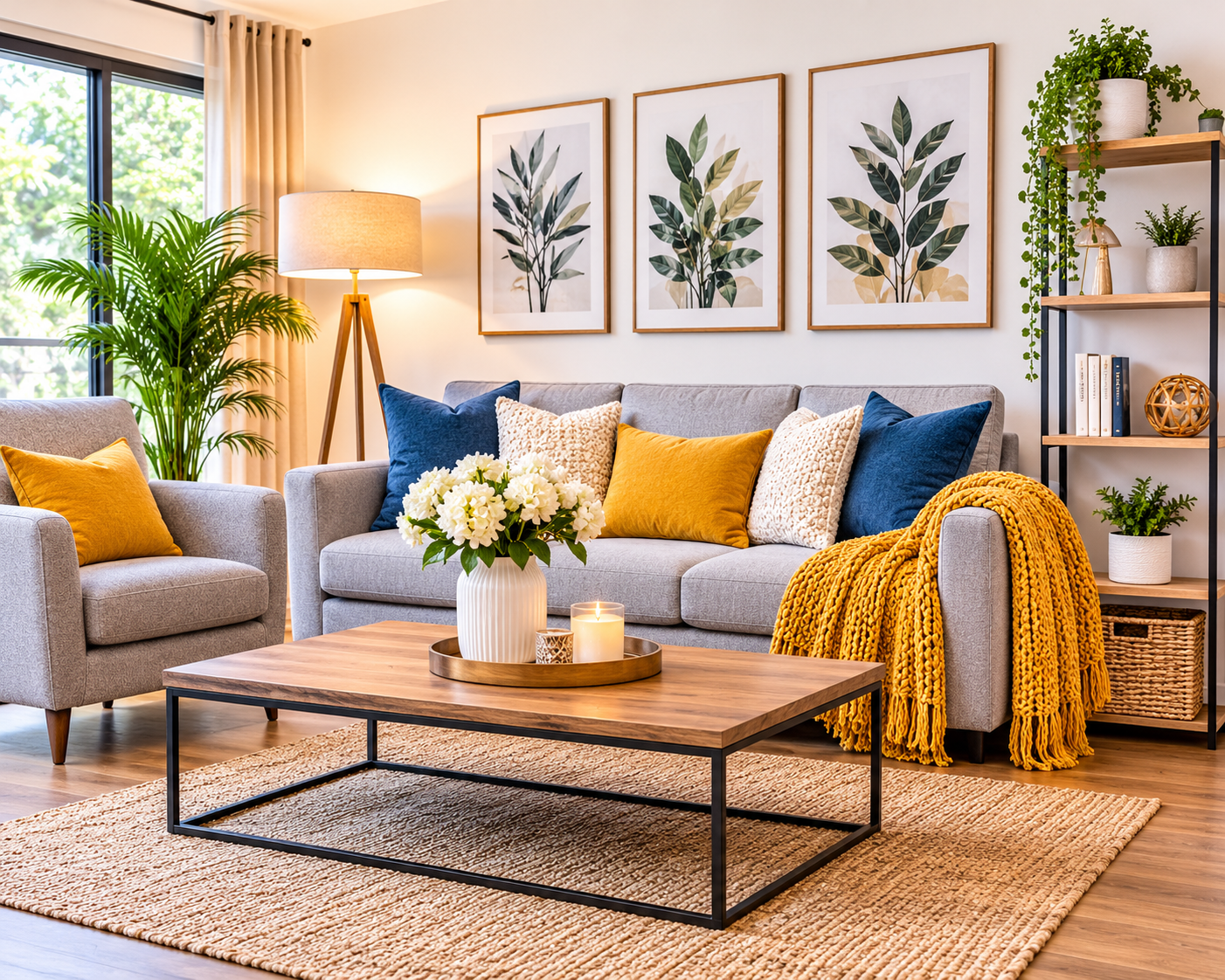
Your living room is where you’ll spend most of your time, so it’s worth getting right. Start with seating—a comfortable sofa or a couple of armchairs will anchor the space. Look for simple, classic designs that won’t date quickly.
Don’t overlook storage. A bookshelf or media unit keeps clutter at bay and makes the room feel more pulled together. You can find stylish options at flat-pack stores that look far more expensive than they are.
Affordable Bedroom Furniture Solutions
The bed is your biggest investment here, so focus your budget there first. A quality mattress makes all the difference to your sleep, even if the frame itself is basic. Pair it with simple bedside tables—even mismatched ones can look charming.
Wardrobes don’t need to cost a fortune. Open clothing racks are trendy and inexpensive, or you could opt for a canvas wardrobe as a temporary solution while you save for something sturdier.
Dining Areas That Don’t Break the Bank
A dining table and chairs can be sourced cheaply if you’re willing to look beyond traditional retailers. Second-hand timber tables often have beautiful character and cost a fraction of new ones.
Mix and match chairs for an eclectic look that’s very on-trend. This approach also means you’re not limited to buying a matching set, which opens up more budget-friendly options.
Home Office Essentials for Less
With more Aussies working from home, a functional workspace is essential. Prioritise an ergonomic chair—your back will thank you. Desks can be as simple as a sturdy table or even a wall-mounted shelf.
Good lighting and basic organisation tools complete the setup. You don’t need fancy filing cabinets; simple boxes and desktop organisers work just as well.
Where to Find Cheap Furniture That Doesn’t Look Cheap
What Is the Most Inexpensive Way to Furnish a Home?
The cheapest option is often what’s already out there. Second-hand furniture, hand-me-downs from family, and marketplace finds can furnish an entire home for a fraction of retail prices.
Patience is your friend here. The best deals don’t appear overnight, so start looking well before you need to buy. Set up alerts on online marketplaces so you’re notified when relevant items pop up.
Second-Hand and Op Shop Finds
Op shops are goldmines for budget-conscious homeowners. Charity stores like Vinnies, Salvos, and Red Cross often stock quality pieces at rock-bottom prices. You might need to visit regularly, but persistence pays off.
Estate sales and garage sales are also worth exploring, particularly in established suburbs where older, well-made furniture is more common.
Flat-Pack and Ready-to-Assemble Options
IKEA and similar retailers have made stylish furniture accessible to everyone. The key is choosing pieces carefully—some items look great and last well, while others won’t survive a house move.
Bunnings and Kmart also offer surprisingly decent furniture at entry-level prices. Just manage your expectations and remember that these pieces might be stepping stones rather than forever furniture.
Online Marketplaces Worth Checking
Facebook Marketplace and Gumtree are essential tools for the budget-savvy shopper. You can often negotiate prices, especially if items have been listed for a while. Always check measurements and condition before committing.
For something more curated, try online auction sites or specialist second-hand furniture stores that verify quality before listing.
How Do You Make a Space Feel Inviting on a Budget?
The Power of Soft Furnishings and Textiles
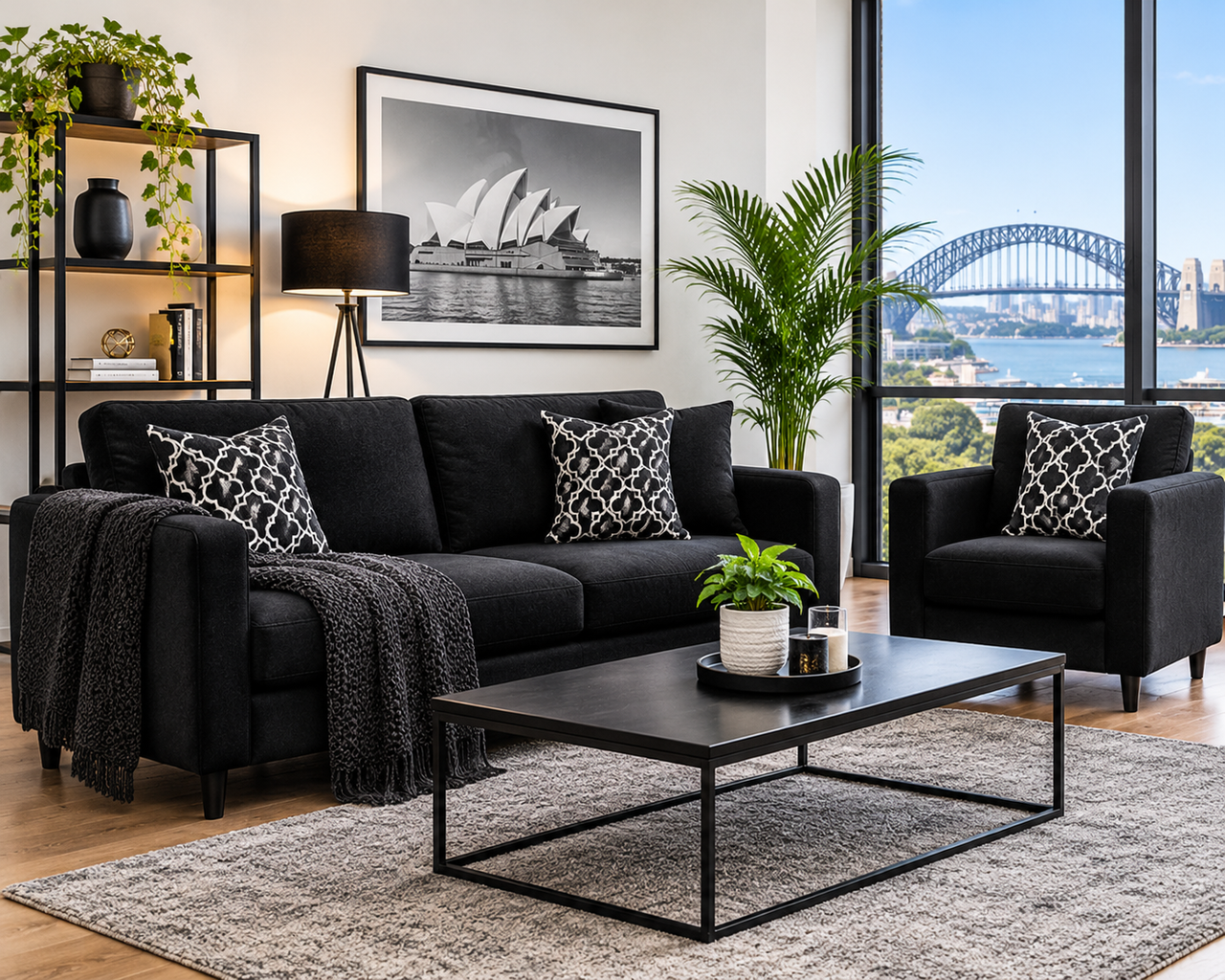
Cushions, throws, and rugs transform cold rooms into cosy retreats. These items are relatively inexpensive yet have an outsized impact on how a space feels. Layering textures adds warmth without requiring big furniture purchases.
Curtains also make a surprising difference. They soften hard edges and add colour or pattern to otherwise plain rooms.
Lighting That Transforms a Room
Good lighting changes everything. Swap harsh overhead bulbs for warmer options, and add table or floor lamps to create ambience. Op shops often have vintage lamps just waiting for new shades.
String lights and candles are budget-friendly ways to add atmosphere, especially in bedrooms and living areas.
Adding Personality Without the Price Tag
Personal touches make a house feel like home. Display photos, artwork, or collections that mean something to you. Frame children’s drawings or print your favourite travel snaps—it costs almost nothing but adds genuine warmth.
Plants are another affordable way to bring life into a room. Even low-maintenance varieties make spaces feel fresher and more welcoming.
Smart Furniture Shopping Strategies
When Is the Best Time to Buy Furniture in Australia?
End-of-financial-year sales (June) and Boxing Day sales offer significant discounts on furniture. Retailers are keen to clear stock, so you’ll find genuine bargains if you’ve done your research beforehand.
Black Friday and Cyber Monday have also become major shopping events in Australia, with online retailers offering competitive deals.
Quality vs Price: Finding the Sweet Spot
Not everything needs to be top-quality. Items you use daily—like sofas and mattresses—deserve more investment. Decorative pieces and accent furniture can be sourced cheaply without much sacrifice.
Check construction before buying. Solid wood beats particleboard, and metal frames generally outlast plastic. A slightly more expensive, well-made item often proves cheaper in the long run.
Multi-Functional Furniture for Small Spaces
In smaller homes, furniture that does double duty is invaluable. Ottoman storage, sofa beds, and extendable dining tables maximise your space without doubling your costs.
Look for nesting tables, storage beds, and desks that fold away when not needed. These clever solutions keep rooms flexible and functional.
Creating a Home That Feels Like You
Transforming empty rooms into inviting spaces doesn’t require a massive budget—it requires thoughtfulness, patience, and a willingness to get creative. We’ve covered how to plan your space, where to find affordable furniture, and how to add those personal touches that turn a house into a home.
The key takeaway? Start with what you need, be patient for the right pieces, and don’t be afraid to mix new purchases with second-hand finds. Some of the most stylish homes are those furnished gradually, with care and intention rather than a single shopping spree.
Your home should reflect who you are, not how much you spent. So grab that tape measure, make your lists, and start creating spaces you’ll love coming home to. You’ve got this—and your wallet will thank you for taking the thoughtful approach.
